


Tourism has cleared every Vision 2030 target ahead of schedule, and whether smart hospitality can work at giga-project scale is an execution problem that is redrawing the telecom industry’s role.
Saudi Arabia no longer has to prove it can attract tourists. The Kingdom welcomed 122 million visitors in 2025, passed its original 100-million target six years early, and has reset the goal to 150 million by 2030. Hotel supply is following: more than 300,000 rooms are due by the end of the decade, part of a development pipeline valued near a trillion dollars. The ambition is proven. What follows is a question of delivery.
Modern hospitality runs on software as much as service. A guest’s arrival depends on biometric clearance at immigration, a mobile key provisioned over a private network, a property system that reads preferences from earlier stays, and building controls that cut energy use room by room. Behind the front desk sit reservation platforms, payment rails, loyalty data, and the access and surveillance systems that keep a property safe. Each of these depends on connectivity, computing, and cybersecurity working as one system. When any layer fails, the guest sees it at once.
Every one of those systems holds something an attacker wants: guest identity, passport scans, payment credentials, location data. That makes hospitality a standing target for cybercrime, where a single breach at a flagship property costs far more in reputation than in ransom. Saudi Arabia already holds the top tier of the UN’s ITU Global Cybersecurity Index, one of a small group of states rated role-modelling. The task now is extending that national standard down to every resort, airport lounge, and booking system a visitor touches.
In Saudi Arabia the strategy is clear and the capital is committed. The harder discipline, everywhere, is delivery. Across large technology programs worldwide, BCG finds that only 30 percent fully meet their timeline, budget, and scope. The firm is clear that programs stall on the coordination of many vendors and systems into one working whole, rarely on ambition or technical difficulty. The pattern is global, a reflection of how hard integration is at scale in every market that attempts it.
A program can specify the best available technology anywhere in the world and still fall short if no one owns the task of making it work together.
The telecom industry is the natural place to close this gap, and its role is changing to do it. For two decades, operators sold bandwidth and coverage. That business is now a commodity. Saudi networks rank among the fastest in any large market, with average 5G download speeds of 314 Mbps in 2025. Connectivity of that quality is now assumed. The value has moved up the stack, to the systems that sit on the network: private 5G tuned to a single property, AI that turns guest and operational data into decisions, cybersecurity that protects payment and identity data, and managed services that run all of it so a hotel operator does not have to.
An operator that already owns the network is positioned to own the integration above it. It has the field engineering, the round-the-clock operations centers, and the local presence that a hospitality group will not build for a single property. The shift under way across the industry is from selling components to delivering outcomes: a commitment that the technology behind a resort will work, measured against service levels, with one partner accountable rather than a dozen. That is a different business from telecommunications, and it demands different skills, in software and in program delivery.
Vision 2030 set tourism a numerical test, and the sector has cleared it three years running, with visitor spending reaching 300 billion riyals in 2025. The next test is qualitative. For 150 million visitors, the measure is whether the experience holds together, from the app that books a room to the network that runs it. Meeting that standard at giga-project scale is a question of execution before it is a question of technology. The operators that understand this have moved away from positioning themselves as utilities, taking on greater delivery responsibility in a market where execution is what turns ambition into reality.
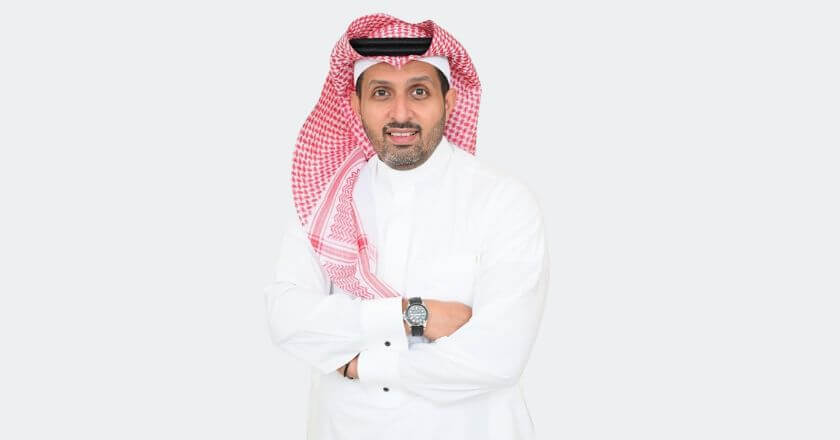
This opinion piece is authored by Abdullah Khorami, Chief Business Officer, Etihad Salam Telecom Company (Salam).
Source: Tahawul Tech