


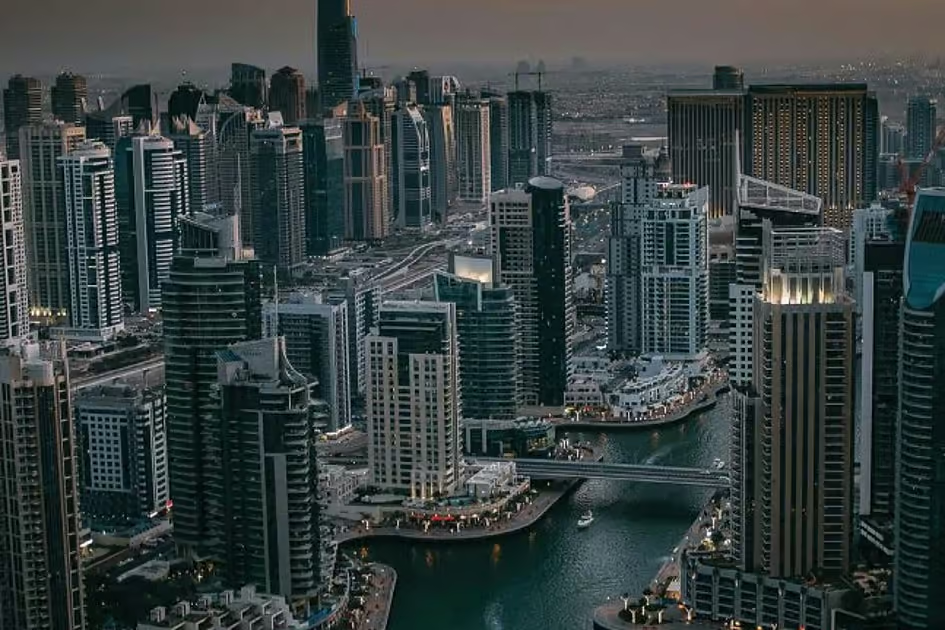
Dubai is expected to see a 20 per cent increase in its residential units, especially apartments, in the next two years, S&P Global said. This, along with the ongoing regional instability, is likely to bring down transaction volumes and prices.
Specific segments of Dubai’s residential market are already experiencing price corrections, which the credit ratings agency attributed to the country’s sweeping visa reforms that supported a higher number of long-term investors.
Disruptions stemming from the regional war are assumed to continue into next year, as per S&P Global Rating’s base case scenario. This, along with new deliveries due in 2027-2028, could accelerate the price correction, especially in investor-driven apartment segments, the agency said.
Stay up to date with the latest news. Follow KT on WhatsApp Channels.
Property developers like Damac, Emaar, Omniyat, and Sobha Realty, all four companies that S&P Global rates, have large revenue backlogs and limited payment delinquencies, which support the ratings.
Additionally, long-term property buyers, regulatory enhancements, and government support are the main reasons behind residential real estate prices declining only moderately since the war began seven months ago.
Earlier this year, the government introduced off-plan mortgages, which require a 50 per cent maximum loan-to-value ratio and a minimum 50 per cent upfront payment, to help improve developers’ liquidity and buyers’ payment tenures.
Residential transaction volumes reach 34,000
Likewise, residential sales in the emirate topped Dh72.6 billion in the third quarter of this year, with transaction volume reaching 34,000 according to a report by Cavendish Maxwell. However, compared with last year, total sales value declined 47 per cent, while transactions dropped 38 per cent.
The real estate firm said the declines reflect the impact of reduced activity as the lag in property sales registrations begins to clear.
Source: Khaleej Times