


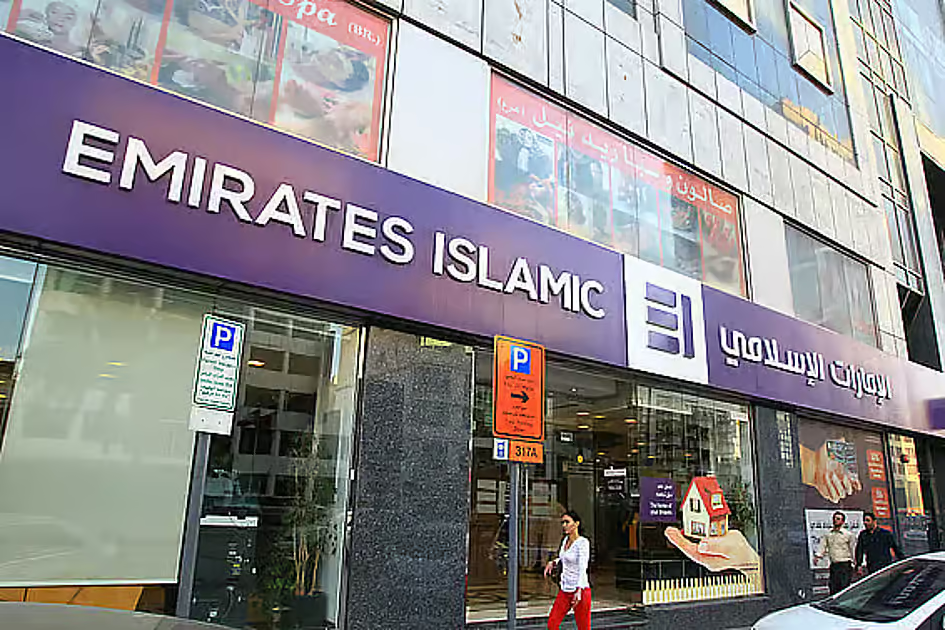
The merger of Dubai Islamic Bank (DIB) and Emirates Islamic Bank (EIB) could mark the start of a new phase of banking consolidation in the UAE and the wider GCC, particularly in Islamic banking, according to financial analysts.
Kapil Chadda, partner, financial services at Arthur D. Little, described the deal as “a significant milestone in the evolution of the UAE banking sector, particularly within Islamic banking”.
He said it reflects a broader trend driven by the push for scale, efficiency, digital transformation and competitiveness.
Stay up to date with the latest news. Follow KT on WhatsApp Channels.
The UAE has 23 local banks, 16 conventional and seven Islamic, alongside 38 foreign banks operating under the Central Bank of the UAE framework. Chadda said this leaves significant room for further mergers. Over the longer term, a market of the UAE’s size could evolve towards three to four major conventional banks and a similar number of Islamic lenders.
The pace, he said, will depend on shareholder priorities and regulatory considerations, but he expects mergers and acquisitions to remain an important driver of the sector’s evolution.
DIB agreed on Wednesday to acquire Emirates Islamic Bank from Emirates NBD in an all-share transaction, after the boards of both lenders approved a share purchase agreement for 100 per cent of the wholly owned subsidiary. DIB will pay entirely through new ordinary shares issued to Emirates NBD, which will become a significant strategic shareholder on completion.
Based on financial information as at September 30, 2026, the enlarged DIB would have total assets of about Dh585 billion, making it the world’s second-largest listed Islamic banking group by assets.
The deal is subject to regulatory and shareholder approvals, including final approvals from the Central Bank of the UAE and the Capital Markets Authority.
Scale and selectivity
Chadda said the combined group’s size demonstrates the strategic importance of scale in funding technology investment and competing internationally. He expects further opportunities among smaller and mid-sized banks, although shareholder alignment and regulation will remain critical.
Zeeshan Mansoor, managing director with Alvarez & Marsal’s financial services practice, expects “selective” consolidation across the UAE and GCC, particularly where a deal strengthens funding or brings valuable customers and capabilities. He said transactions are likely to proceed where the combined business can generate better returns than the institutions could achieve independently, once integration costs and complexity are accounted for.
No borrowing needed
Under the all-share structure, DIB will not need to raise cash or take on acquisition-related borrowing. Emirates NBD will exchange full ownership of Emirates Islamic for a 32.5 per cent stake in the enlarged DIB, subject to the required approvals.
Vijay Valecha, chief investment officer at Century Financial, said the deal appears fair from an earnings perspective.
Based on Bloomberg data, Emirates Islamic contributed Dh2.7 billion to the two banks’ combined profits in the first nine months of 2026, against Dh5.6 billion for DIB, broadly matching Emirates NBD’s 32.5 per cent stake. DIB’s earnings per share should therefore remain largely unchanged initially, even before cost savings, he said.
Valecha said the bigger benefit for DIB is access to a stronger and more stable funding base. Emirates NBD, for its part, gives up full ownership of a profitable subsidiary but keeps a similar share of the profit and frees up capital for lending elsewhere.
Ownership will also concentrate.
Investment Corporation of Dubai, which owns 41 per cent of Emirates NBD, will hold about 19 per cent of DIB directly, giving the two together just over half of the enlarged bank.
Source: Khaleej Times