


The UAE Cabinet’s recent approval of the National Healthy Nutrition Strategy 2031 marks a pivotal moment in the nation’s fight against rising obesity and diabetes rates.
Among its 16 targeted initiatives, the ban on partially hydrogenated oils (PHOs) and tighter restrictions on junk food marketing stand out as bold measures to reshape the food environment.
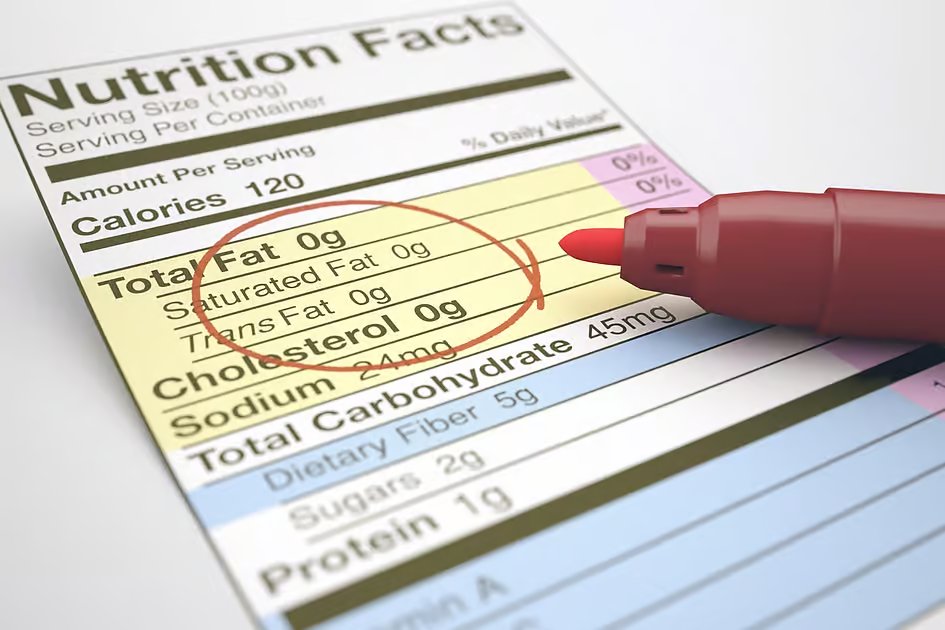
Health experts and nutritionists emphasise that the elimination of PHOs, the primary source of artificial trans fats, will yield significant and immediate physiological benefits for the general population.
Stay up to date with the latest news. Follow KT on WhatsApp channels.
“Partially hydrogenated oils are industrially modified oils and the main source of artificial trans fats. Their consumption is strongly associated with an increased risk of cardiovascular disease,” explains Mariam Alkarbi, an Emirati public health nutritionist and policy leader.
“Removing these oils leads to immediate health benefits, including improved cholesterol levels and reduced inflammation. This supports healthier blood vessels and leads to early reductions in cardiovascular risk,” Mariam said.
Sara Alkatheeri, Clinical Nutritionist and Team Lead of Dietary Services at Burjeel Cancer Institute, echoes this sentiment, noting that global health bodies like the World Health Organisation consider eliminating trans fats one of the most effective ways to protect public health.
“Reducing trans fats will have clear health benefits, including lowering inflammation, improving cholesterol levels, and reducing the risk of heart disease and insulin resistance,” she says.
Switching to healthy fats
While the ban removes harmful fats from the food supply, individuals must also make conscious choices to replace highly processed alternatives with healthier options. The transition, experts say, does not have to be complicated.
“Instead of using vegetable margarine, choose healthier alternatives like olive oil. Swap fried and fast foods for grilled or baked options, and replace processed snacks like chips and pastries with nuts and seeds,” advises Mariam.
She also recommends reducing fatty red meat intake in favor of fish, such as salmon or tuna, and plant-based options like lentils.
Sara agrees, emphasising that the key shift lies in encouraging healthier fat choices, while actively reducing the consumption of highly processed foods.
Digital guide for daily life
To help families navigate these dietary changes, the strategy includes the development of a national digital nutrition guide. This tool aims to translate broad nutritional guidelines into practical, everyday meal planning.
“To be effective, the guide should include simple, actionable tools such as weekly meal plans, portion guidance, and easy-to-follow recipes that reflect local food culture,” says Mariam.
She highlights the importance of visual tools like plate models and clear, approved examples of healthier alternatives available in supermarkets. “This is where partnerships with the food industry play a critical role, ensuring that healthier options are accessible, visible, and aligned with the recommendations.”
Sara adds that the guide must be culturally relevant and address common conditions like obesity and diabetes, ultimately helping families turn nutrition advice into daily habits.
Protecting the next generation
A major focus of the strategy is curbing obesity among school-aged children and adolescents. Reversing these trends requires a comprehensive approach that bridges the gap between school environments and home life.
Within schools, effective interventions include setting clear nutrition standards for canteens and limiting access to high-sugar and ultra-processed foods. “Creating healthier food environments, where the default choice is the healthier one, can significantly influence children’s daily habits,” notes Mariam.
However, school efforts must be reinforced at home. “Evidence shows that combining school efforts with family support is the most effective approach,” says Sara. “At home, simple steps like balanced meals and reducing fast food can make a real difference.”
Redesigning the food environment
Beyond the ingredients themselves, the strategy takes aim at the broader food environment by re-regulating promotional advertising for unhealthy food and beverages. This initiative is designed to reduce the pressure of junk food marketing, particularly on children.
“Advertising plays a powerful role in influencing choices, often subconsciously,” Mariam explains. “Limiting exposure to persuasive and often confusing advertising of products high in sugar, salt, and saturated fats can play a key role in shaping healthier dietary norms early in life.”
By creating space for healthier options to be more visible and appealing, the UAE is laying the groundwork for a culture of wellness. As Sara concludes, “This strategy is a strong move toward prevention, and with the right awareness and practical implementation, it can have a lasting impact on population health.”
Source: Khaleej Times